
Heavy-Duty Towing Services Near Me: What to Expect
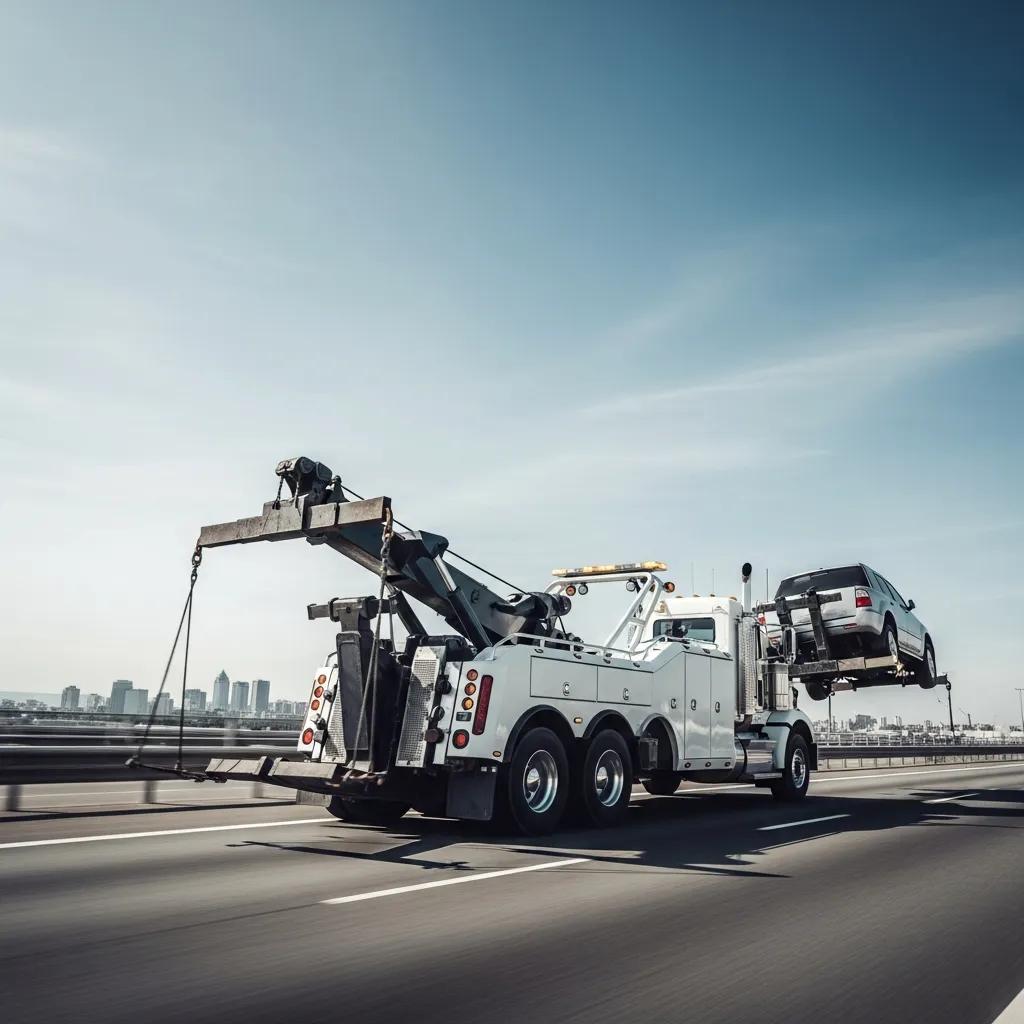
Heavy-Duty Towing Services Near Me: What to Expect from Commercial and Emergency Truck Towing

Heavy-duty towing services are essential for managing large vehicles that standard towing equipment cannot handle. This article will guide you through what to expect from these specialized services, including the types of vehicles that require heavy-duty towing, the emergency towing process, typical costs, safety standards, and what customers can expect during a towing service. Understanding these aspects will help you make informed decisions when seeking heavy-duty towing services, especially in emergencies. We will also highlight how to find reliable providers like Fast5 Towing, which operates in Avondale, Surprise, and El Mirage.
What Are Heavy-Duty Towing Services and Which Vehicles Require Them?
Heavy-duty towing services are specialized towing services designed to handle larger and heavier vehicles that cannot be towed by standard towing equipment. Vehicles that typically require heavy-duty towing include large trucks, buses, RVs, and other commercial vehicles.
Defining Heavy-Duty Truck and Commercial Vehicle Towing
Heavy-duty towing refers to the recovery and transportation of vehicles that exceed the weight limits of standard towing services. This includes vehicles like tractor-trailers, construction equipment, and large buses. The equipment used in heavy-duty towing is specifically designed to handle the weight and size of these vehicles, ensuring safe and efficient recovery.
Types of Large Vehicles Needing Heavy Equipment Towing
Various large vehicles require heavy-duty towing services, including:
- Tractor-Trailers: Commonly used for freight transport, these vehicles often require specialized towing due to their size and weight.
- Buses: Public transport and charter buses need heavy-duty towing when they break down or are involved in accidents.
- Construction Equipment: Heavy machinery like excavators and bulldozers often require “towing services” for transport between job sites.
Understanding the types of vehicles that need heavy-duty towing helps in recognizing when to seek these specialized services.
How Does Emergency Heavy-Duty Towing Work?

Emergency heavy-duty towing is a critical service that ensures large vehicles can be quickly and safely recovered in urgent situations. This process involves specialized equipment and trained personnel to handle the complexities of towing heavy vehicles.
Rapid Response and 24/7 Availability for Large Vehicle Recovery
Emergency towing services are available 24/7, ensuring that help is always just a call away. Rapid response times are crucial, as delays can lead to further complications, such as traffic hazards or additional damage to the vehicle. Many towing companies aim to arrive on-site within 30 minutes to an hour, depending on the location and traffic conditions.
Specialized Tow Trucks and Equipment Used in Emergency Towing
Emergency heavy-duty towing utilizes specialized tow trucks equipped with advanced technology. These trucks often feature:
- Wreckers: Designed for lifting and towing heavy vehicles.
- Flatbeds: Ideal for transporting vehicles that cannot be towed conventionally.
- Rotator Trucks: Capable of lifting and rotating heavy loads, providing flexibility in recovery operations.
The use of specialized equipment ensures that heavy-duty towing is performed safely and efficiently.
For a more detailed understanding of the various classifications and safe operational procedures for these specialized vehicles, consider the following resource:
Heavy-Duty Tow Truck Classifications & Safe Operations
This chapter provides an in-depth look at tow trucks, essential vehicles used for roadside assistance and vehicle recovery. It describes tow truck classifications, illustrating various types with technical figures, such as flatbed, folding flatbed, crane, hoisting-and-towing, rotating-boom, light-duty, medium- and heavy-duty, and super-heavy-duty models. Safe operating procedures are detailed, including preparation, process guidelines, necessary precautions, and guidance on routine maintenance and servicing. Finally, the chapter addresses common faults and troubleshooting methods, supported by a summary table to assist operators in practical problem-solving.
Tow Truck, 2026
What Are the Typical Costs and Pricing Factors for Heavy-Duty Towing?
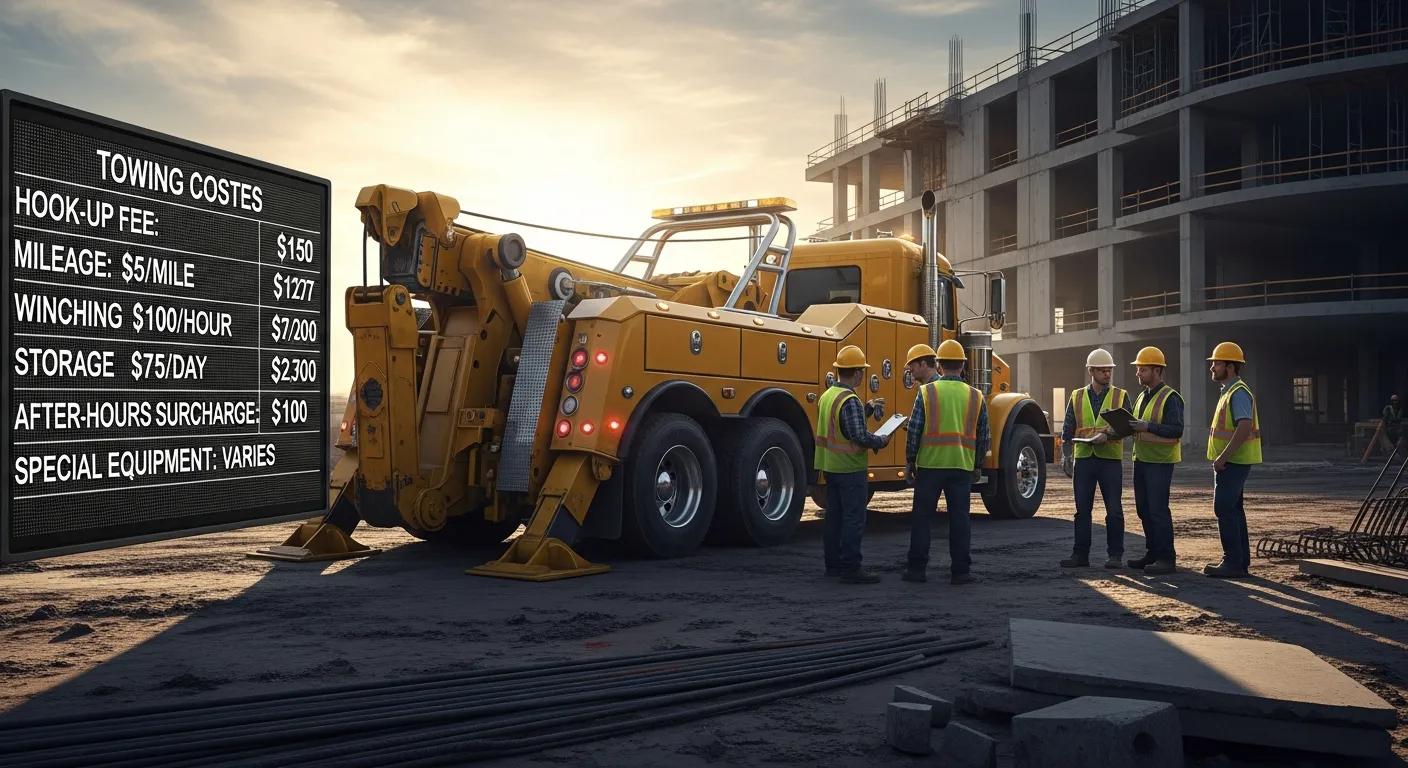
Understanding the costs associated with heavy-duty towing is essential for budgeting and planning. Several factors influence the pricing of these services.
Understanding Pricing Variables for Commercial Vehicle Towing
The cost of heavy-duty towing can vary based on several factors, including:
- Distance: The farther the vehicle needs to be towed, the higher the cost.
- Vehicle Size and Weight: Heavier vehicles require more specialized equipment, which can increase the price.
- Time of Service: Emergency towing services may incur additional fees, especially during off-hours or holidays.
Comparing Scheduled vs. Emergency Heavy-Duty Towing Costs
Scheduled towing services are generally less expensive than emergency services. Here’s a comparison of typical costs:
| Service Type | Average Cost | Description |
|---|---|---|
| Scheduled Towing | $200 – $600 | Pre-arranged towing during regular hours. |
| Emergency Towing | $300 – $900 | Immediate response for urgent situations, often with additional fees. |
This table illustrates the cost differences between scheduled and emergency towing, helping customers make informed decisions based on their needs.
What Safety Standards and Regulations Govern Heavy-Duty Towing Services?
Safety is paramount in heavy-duty towing, and various regulations govern the industry to ensure safe practices.
Compliance Requirements for Tow Trucks and Operators
Tow trucks and operators must comply with local and federal regulations, which include:
- Licensing: Operators must have the appropriate commercial driver’s licenses (CDL) and any required towing certifications.
- Equipment Standards: Tow trucks must meet specific safety standards set by the Department of Transportation (DOT) and other regulatory bodies to operate legally.
Safety Protocols During Large Vehicle Recovery Operations
During heavy-duty towing operations, safety protocols are critical. These include:
- Traffic Control: Ensuring the area is safe for both the towing crew and other road users.
- Proper Equipment Use: Utilizing the right tools and techniques to prevent accidents during recovery.
Adhering to these safety standards helps protect everyone involved in the towing process.
What Should Customers Expect During a Heavy-Duty Towing Service?
When you call for heavy-duty towing, understanding the process can alleviate stress and ensure a smoother experience.
Step-by-Step Overview of the Towing Process
- Initial Contact: Customers provide details about the vehicle and location.
- Assessment: The towing company assesses the situation and dispatches the appropriate equipment.
- Recovery: Trained professionals safely recover the vehicle using specialized equipment.
- Transport: The vehicle is transported to the desired location, whether a repair shop or another destination.
Typical Response Times and Service Area Coverage
Response times for heavy-duty towing can vary, but many companies aim to arrive within 30 to 60 minutes. Fast5 Towing, for example, provides services in Avondale, Surprise, and El Mirage, ensuring quick access to reliable towing solutions.
Where Can You Find Reliable Heavy-Duty Towing Services Near Me?
Finding a trustworthy heavy-duty towing service is crucial for ensuring your vehicle is handled safely and efficiently.
You can find reliable heavy-duty towing services by contacting Fast5 Towing at 480.599.9552, available from 9 AM to 6 PM. They provide services in Avondale, Surprise, and El Mirage.
How to Choose a Trusted Commercial Vehicle Towing Provider
To choose a trusted commercial vehicle towing provider, consider the following:
- Experience: Look for a provider with a solid track record in the towing industry.
- Services Offered: Ensure they provide a range of services, including emergency towing and heavy-duty towing.
- Availability: Check if they are available during your needed hours.
- Service Area: Confirm that they operate in your area.
- Professionalism: Choose a provider known for reliable and safe transportation of vehicles.
- Customer Reviews: Look for testimonials or reviews from previous clients to gauge their satisfaction with the service.
If you notice signs of vehicle trouble, such as overheating or multiple tire damage, it’s advisable to contact a professional towing service immediately.
Benefits of Local vs. National Heavy-Duty Towing Companies
When choosing between local and national towing companies, consider the following benefits of local providers:
- Familiarity with the Area: Local companies often have better knowledge of the roads and traffic patterns.
- Personalized Service: Smaller companies may offer more personalized customer service.
- Quick Response Times: Local providers can often reach you faster than national chains.
In contrast, national companies may offer more extensive resources and availability but can lack the personal touch of local services.